The open database behind our barcode scanner
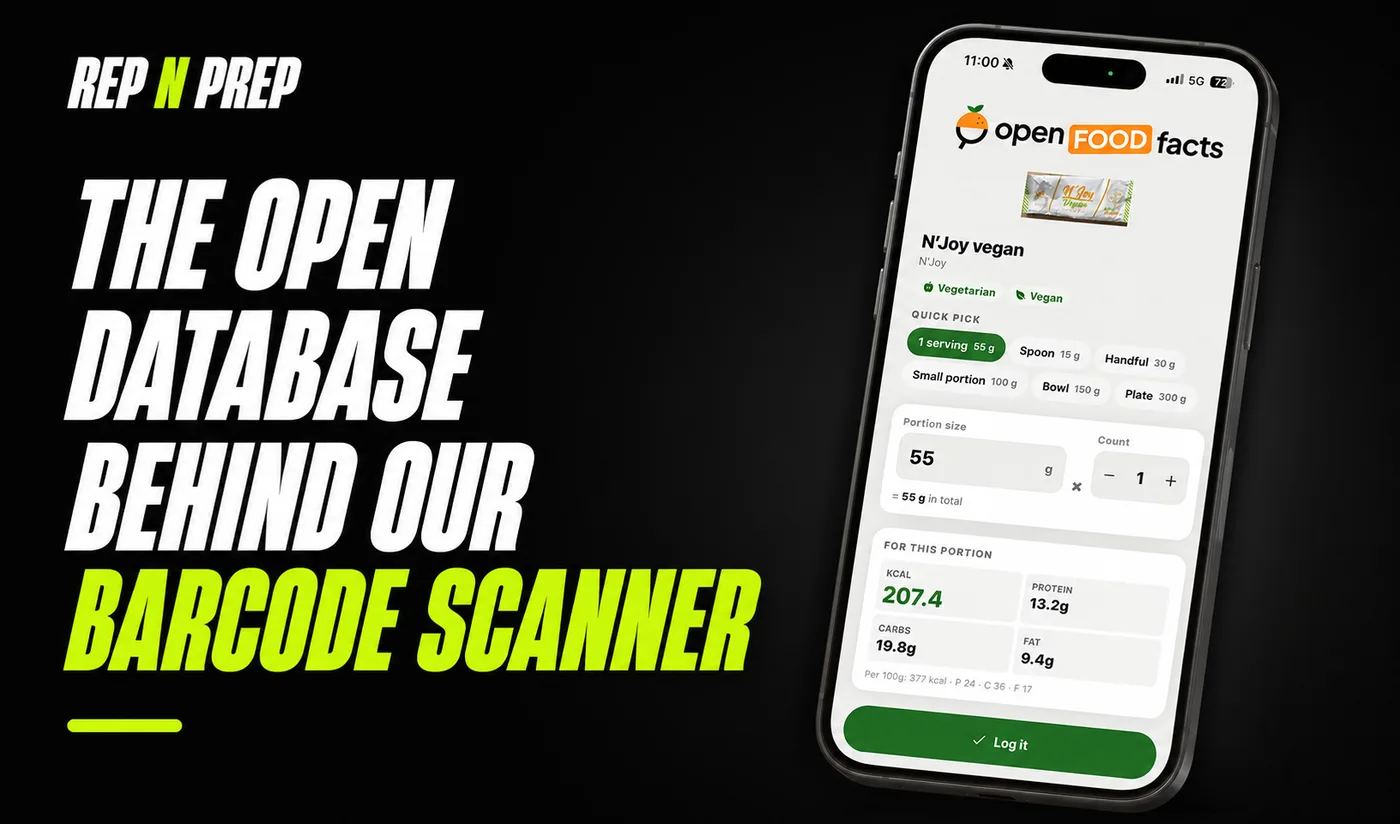
When you point Rep N Prep at a packet and the macros fill themselves in, that data does not come from a company that sells your grocery habits. It comes from Open Food Facts, a free and open database that anyone can read, use and contribute to.
The biggest open food project on the planet
Open Food Facts tracks over 4 million products across 150+ countries. It is the food world's answer to Wikipedia: a collaborative database built by volunteers, funded by donations, with every row of data released under an open licence. No paywall, no locked-down API, no selling your scans to advertisers.
The project started in France in 2012, which is why European coverage is the deepest. France holds the largest single share of products, and standardised front-of-pack labels like the Nutri-Score and Eco-Score are widely adopted across the EU, so countries like Belgium, Spain and Germany are densely catalogued too. Scan a product almost anywhere in Europe and it is very likely already in there.
Why we chose it
We wanted the barcode scanner to just work, on the products you actually buy, without turning your pantry into a data-broker's spreadsheet. An open database fits that:
- Global by default. Local supermarket brands, not just American mega-labels.
- Constantly improving. Thousands of open-source contributions land every single day, so coverage and accuracy keep climbing on their own.
- Transparent. Every product's data is public and auditable. If something looks wrong, anyone can fix it at the source.
A scan is the fastest way to log
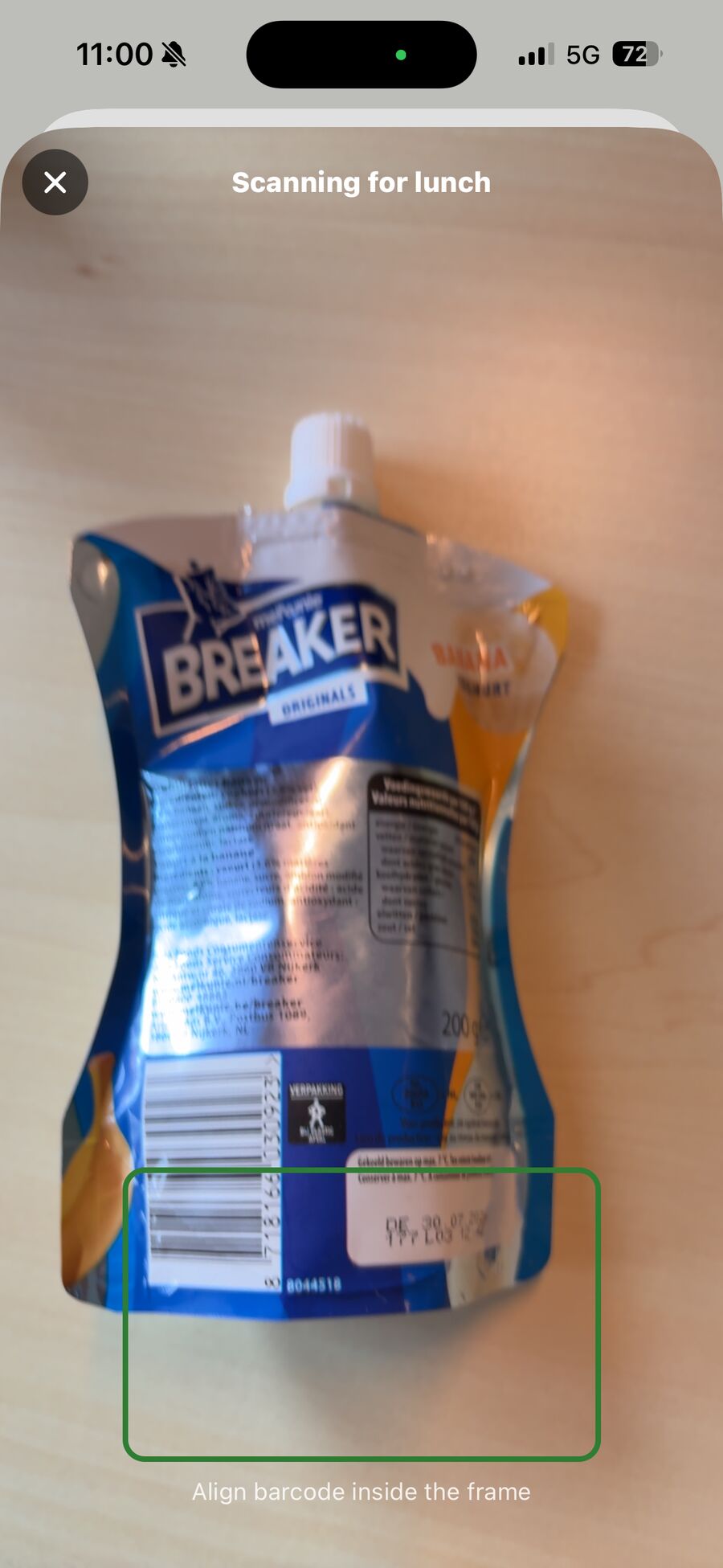
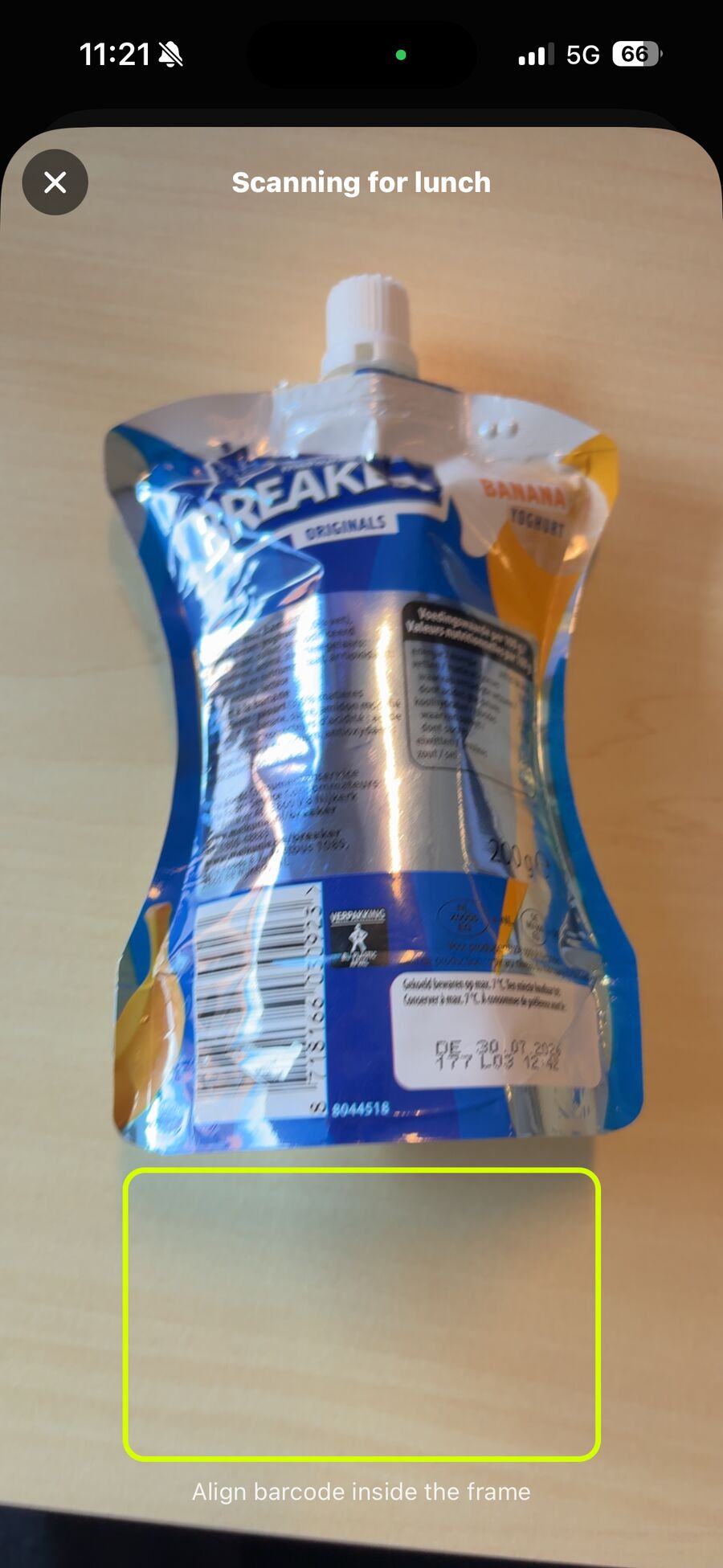
Packaged food is where a barcode wins big. Point the camera, get the exact per-100g macros for that product, pick your portion, done. No searching, no guessing, no typing numbers off the back of the box. When the item is not yet in the database you can still log it by hand or snap a photo and let the AI estimate it, but for anything with a barcode the scan is almost always the quickest path.


Give back while you track
Because Open Food Facts is a community project, it gets better every time someone adds a missing product. If you scan something that is not there yet, you are one contribution away from helping the next person who buys it. You can explore the live country-by-country product counts and learn how to contribute at openfoodfacts.org.
Good tracking should be fast, honest and open. Building the scanner on the world's biggest open food database is how we keep it all three.
Rep N Prep
Track your workouts and nutrition in one app, with an AI coach that understands both.
Get the app